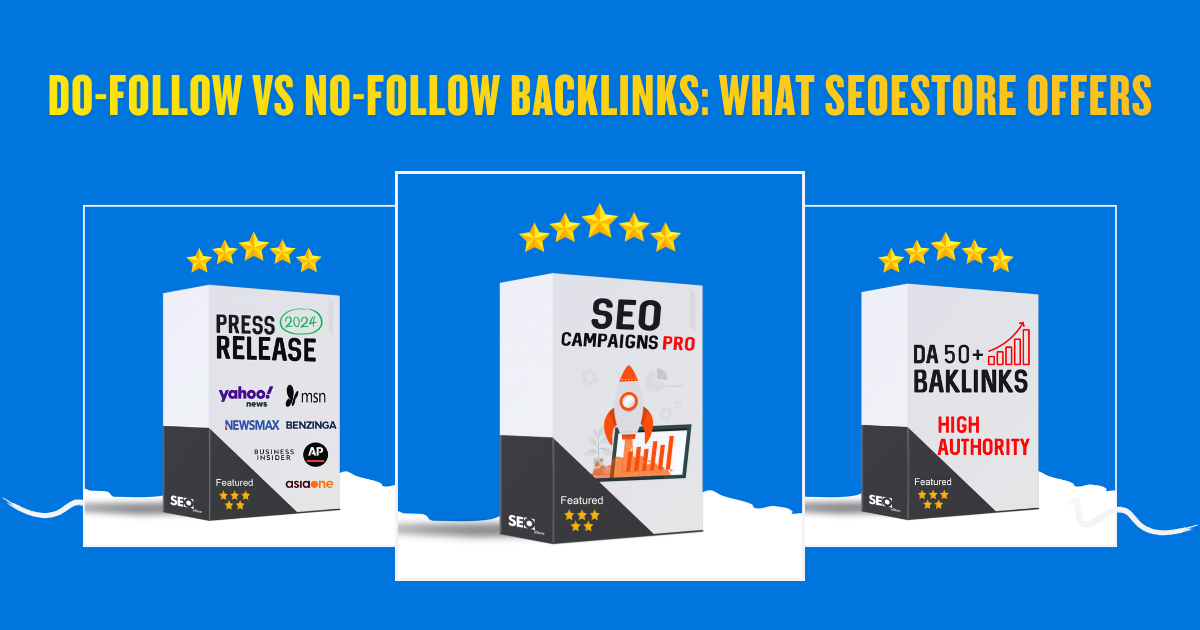
One of the most common questions about backlinks is whether they're do-follow or no-follow. Understanding the difference — and why you need both — helps you make better link building decisions.
The Difference in 30 Seconds
| Attribute | Do-Follow | No-Follow |
|---|---|---|
| HTML | <a href="..."> (no rel attribute) |
<a href="..." rel="nofollow"> |
| Ranking signal | Passes direct link equity | Treated as a "hint" by search engines |
| Crawling | Search engines follow and index | Search engines may still crawl |
| Natural proportion | ~60-70% of most profiles | ~30-40% of most profiles |
Do-follow links
A standard link with no special rel attribute. Search engines interpret this as an endorsement — the linking site is "vouching" for the destination. Do-follow links pass the most direct ranking signal.
No-follow links
A link with rel="nofollow" (or rel="ugc" or rel="sponsored"). Originally created so webmasters could flag links they didn't want to endorse. Google treats these as "hints" — they may or may not pass signal, at Google's discretion.
Why Both Matter
A common misconception: "Only do-follow links help SEO." That's outdated.
Why no-follow links still have value:
- Google treats them as hints. Since 2019, Google may choose to count no-follow links for ranking and indexing purposes.
- Traffic. A no-follow link from a high-traffic site still sends visitors to your page.
- Brand visibility. Links on major platforms build awareness regardless of follow status.
- Natural profile. Every naturally popular website has a mix of follow statuses. A profile with 100% do-follow links looks artificial.
What a natural link profile looks like
| Follow status | Typical range | Concern if outside range |
|---|---|---|
| Do-follow | 55-75% | Above 85% can look manipulated |
| No-follow | 25-45% | Below 15% is unusually low |
What SEOeStore Delivers
SEOeStore backlink orders deliver a mix of do-follow and no-follow links. This is intentional — it creates a natural-looking link profile.
| Service | Do-follow proportion | Why |
|---|---|---|
| SEO Campaigns | Mixed (both) | Campaigns pull from many source types with varying attributes |
| DA 70+ backlinks | Varies by source | Premium domains set their own link policies |
| DA 50+ backlinks | Varies by source | Same as above |
| Web 2.0 | Mostly do-follow | User-generated content platforms typically allow do-follow |
| Social profiles | Mostly no-follow | Social platforms use no-follow by default |
| Forum links | Mixed | Forum policies vary |
Your delivery report specifies the follow status of every link. You always know exactly what you received.
Should You Only Buy Do-Follow Links?
No. Here's why:
- It creates an unnatural profile. If 95% of your links are do-follow, that's a red flag.
- No-follow links have SEO value. Google's "hint" approach means some no-follow links pass signal.
- Diversity is more important than any single attribute. A mix of DA levels, source types, anchor texts, AND follow statuses is what looks natural.
The ideal approach
Don't filter orders by follow status. Instead:
- Order a diverse mix of link types
- Let the natural follow/no-follow distribution build itself
- Focus on source quality, relevance, and volume — not follow attributes alone
Link Attributes Beyond Follow/No-Follow
Google now recognizes three rel attributes for links:
| Attribute | Purpose | SEO treatment |
|---|---|---|
rel="nofollow" |
General — don't endorse this link | Hint |
rel="ugc" |
User-generated content (comments, forums) | Hint |
rel="sponsored" |
Paid or sponsored placement | Hint |
| (none) | Standard editorial link | Full signal |
All three "rel" values are treated as hints. The practical difference between them is minimal.
Recommended services for link pyramid building
| Tier | Service | Qty | Price | Purpose |
|---|---|---|---|---|
| Tier 1 | DA 50+ Do-follow | 25 | $0.002/link ($0.05) | Direct authority to your site |
| Tier 1 | Web 2.0 Premium | 10 | $0.025/link ($0.25) | High-quality contextual links |
| Tier 2 | DA 30+ | 100 | $0.0007/link ($0.07) | Amplify Tier 1 power |
| Tier 2 | Mix platforms | 500 | $0.0005/link ($0.25) | Volume boost to Tier 1 |
| Tier 3 | Mix platforms | 1,000 | $0.0005/link ($0.50) | Further amplification |
Total example budget: $1.12 for a complete 3-tier pyramid.
Frequently Asked Questions
Can I request only do-follow links?
SEOeStore doesn't offer a do-follow-only filter because a natural profile needs both. Your delivery report shows the status of each link, and most orders contain a majority of do-follow links.
How do I check if a link is do-follow?
Right-click the link in your browser → Inspect Element. Look for rel="nofollow" in the HTML. If there's no rel attribute, it's do-follow. Tools like Ahrefs and Moz also report follow status.
Do DA 70+ links guarantee do-follow?
No. High-DA domains set their own link policies. Many premium domains use no-follow for outbound links. The DA metric and the follow attribute are independent — a DA 90 no-follow link is still valuable.
Is it worth paying more for guaranteed do-follow?
Generally no. Overpaying for follow status alone ignores the bigger picture. Source authority, relevance, and profile diversity matter more than any single link attribute.
Build a Natural Link Profile
The best backlink strategy includes both do-follow and no-follow links across multiple source types and authority levels.
Related:
- Link Diversity Guide for full profile strategy
- DA 70+ Backlinks for premium authority
- DA 50+ Backlinks for bulk building
Discussions (0)
Join the conversation
Sign in to share your opinion.
Sign InNo comments yet.